
Written by Miqdad Muhammad

On the southern coast of Malang, Indonesia, where the Indian Ocean meets a fragile and biodiverse coastline, something remarkable is unfolding. In a place once overshadowed by poverty, environmental degradation, and limited opportunity, a new identity is taking root. Locals now proudly call it Ibu Kota Penyu — the Sea Turtle Capital.
Why? Because this stretch of coastline is home to five out of the seven sea turtle species that exist in the world making it one of the most significant sea turtle habitats on the planet. The Ibu Kota Penyu program is more than a conservation initiative—it is a model for integrated, community-driven resilience.
What’s happening here transcends biological richness. It reflects a deeper, grassroots-driven transformation—one where environmental stewardship intersects with education, livelihoods, and a renewed sense of purpose. The sea turtles have become both a symbol and a catalyst for change, leading the way toward a more sustainable and inclusive future. In Malang’s coastal villages, conservation is no longer the job of a few—it is a shared mission, built on community, science, and hope.
The Problem Beneath the Waves
Indonesia is one of the most important nesting sites for sea turtles globally, yet their survival is under constant threat. Coastal erosion, habitat destruction, plastic pollution, poaching, and climate change have significantly reduced sea turtle populations. At the same time, many coastal communities in the region face economic hardship, limited access to education, and a lack of sustainable livelihoods. Conservation in such places cannot be separated from social equity and economic opportunity. There was a clear need for an integrated approach that brings people and nature together.
A Local Solution with Global Relevance
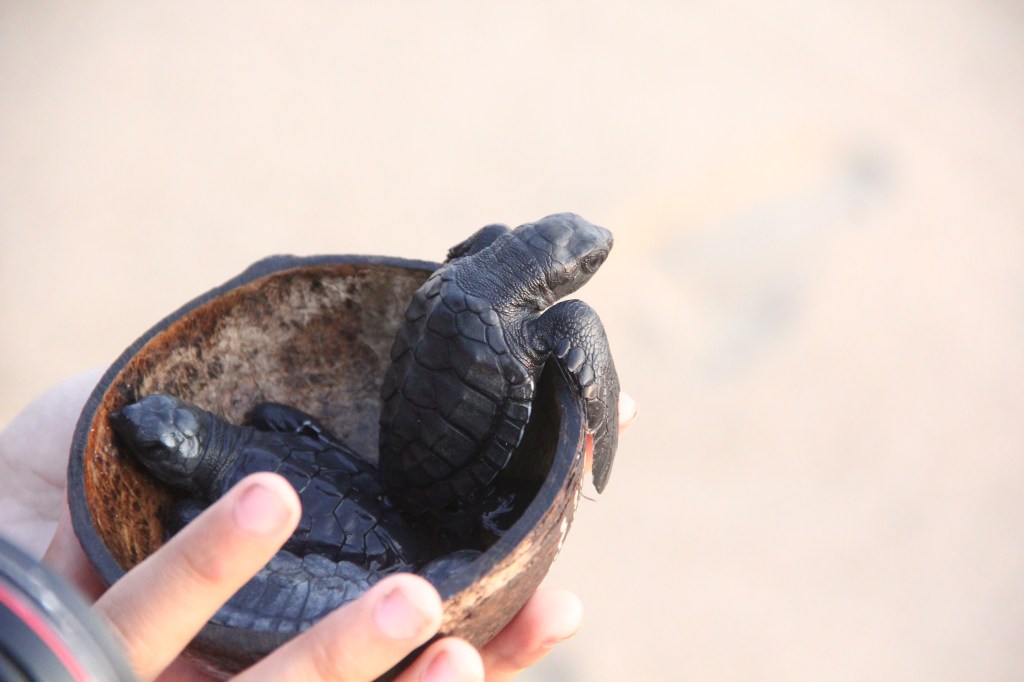
Born from this intersection of ecological urgency and social need, the Ibu Kota Penyu program was initiated through a cross-sector collaboration between the local community (Bajulmati Sea Turtle Conservation) and supported by stakeholders (PT Pertamina Patra Niaga Fuel Terminal Malang, Perhutani, and East Java National Biodiversity Conservation Center). The program goes beyond saving sea turtles. It engages local residents in conservation work, provides hands-on environmental education, and introduces green economy models. From hatchery caretakers to eco-tourism guides and youth environmental cadres, the community has become the central actor in protecting their natural heritage.
Tangible Impact Across Ecosystems and Livelihoods
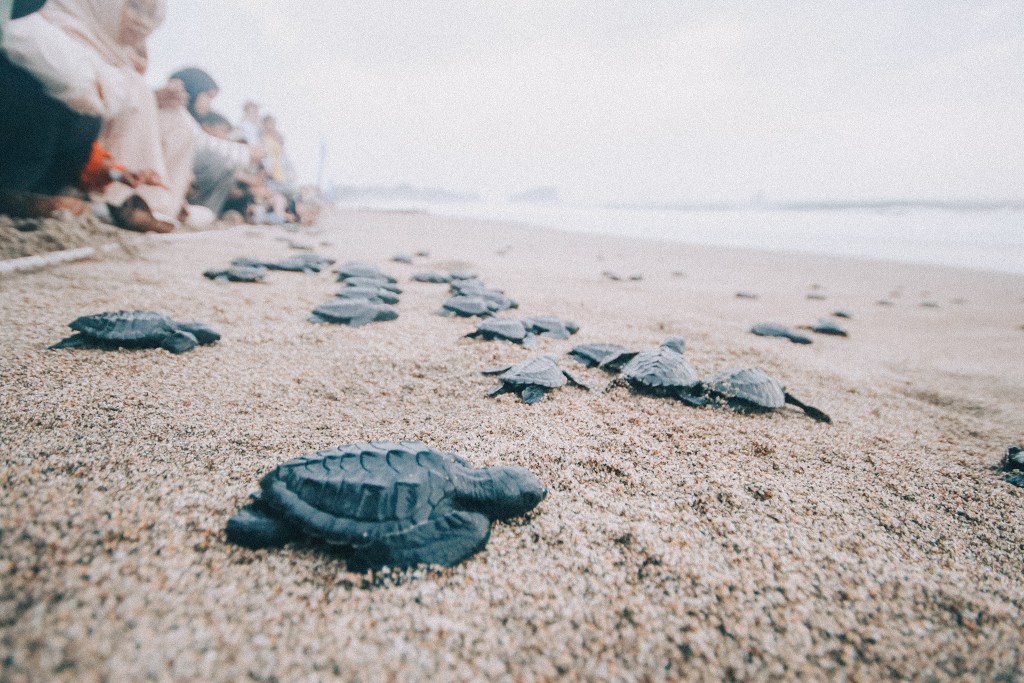
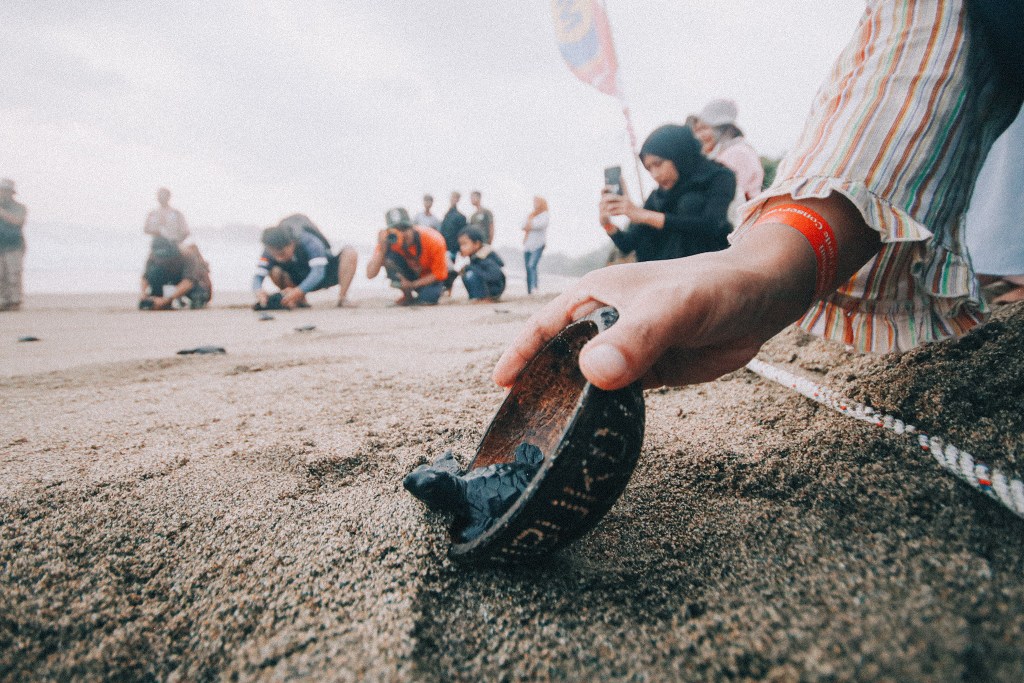
Since its inception, the Ibu Kota Penyu program has made significantly measurable progress. More than 10,000 sea turtle eggs have been safely relocated, and over 9,000 hatchlings released. With an innovative pyramid incubation method, hatching success has reached 90%, surpassing conventional and natural rates. Over 50 injured sea turtles have been rehabilitated, while 275 have been safely landed and documented. Conservation efforts extend beyond turtles: 11,000 mangrove trees have been planted, and 10 hectares of critical land rehabilitated, contributing to an estimated absorption of 100 tons of CO2 per year. On the social front, the program has educated over 8,000 people in marine conservation, generated more than 80 million IDR in community income annually, and involved 54 active volunteers. These numbers tell a story of integrated, data-driven impact.
A Blueprint Aligned with Global Goals
The Ibu Kota Penyu program is not an isolated conservation effort; it is a multifaceted initiative deeply aligned with the Sustainable Development Goals (SDGs), creating ripple effects across social, environmental, and economic dimensions. At its ecological core, the program contributes to SDG 14 (Life Below Water) by protecting critical nesting grounds and increasing hatchling survival rates, directly supporting marine biodiversity. This environmental stewardship extends to SDG 13 (Climate Action) through blue carbon initiatives that restore over 10 hectares of coastal habitat, including mangroves and screwpine, which function as vital carbon sinks and natural defenses against coastal erosion.
Education plays a central role, with more than 50 environmental learning sessions held annually, advancing SDG 4 (Quality Education) and embedding sustainability values among children, youth, and local leaders. Meanwhile, the development of community-based ecotourism and the creative economy opens up new income streams and employment opportunities, fulfilling the spirit of SDG 8 (Decent Work and Economic Growth) by promoting a just transition away from extractive livelihoods.

None of this would be possible without the robust multi-stakeholder collaboration that exemplifies SDG 17 (Partnerships for the Goals)—a seamless cooperation between civil society, academic institutions, local government, and corporate actors such as Pertamina, all working together to safeguard the coast while uplifting the community.
From Coastal Villages to Global Narratives
The Ibu Kota Penyu program is more than a conservation story—it’s a social innovation born from necessity and driven by collaboration. It shows that environmental protection can go hand in hand with community empowerment, and that meaningful impact is achieved not through isolated interventions, but through systems thinking and inclusive participation. As climate change and biodiversity loss continue to accelerate globally, the lessons from southern Malang remind us that solutions often begin at the grassroots, where the tide brings not just water, but hope.
So, the next time you see a sea turtle hatchling crawl toward the sea, remember: it’s not just a life beginning. It’s a signal that sustainable futures are not only possible—they are already happening, one beach at a time.
Editor’s Note
The sea turtle conservation initiative started back in 2009 as an individual movement. Over time, it evolved into a collective community-driven effort with broader impact. The Ibu Kota Penyu brand itself was officially launched in 2023 to reflect its more integrated focus, not just biodiversity conservation, but also environmental education, economic empowerment, and cultural preservation. It is now a cross-sectoral program.
The program’s official website is set to be launched later this year. For more information and updates, visit the conservation center’s Instagram account @bstcmalang.
About the Author
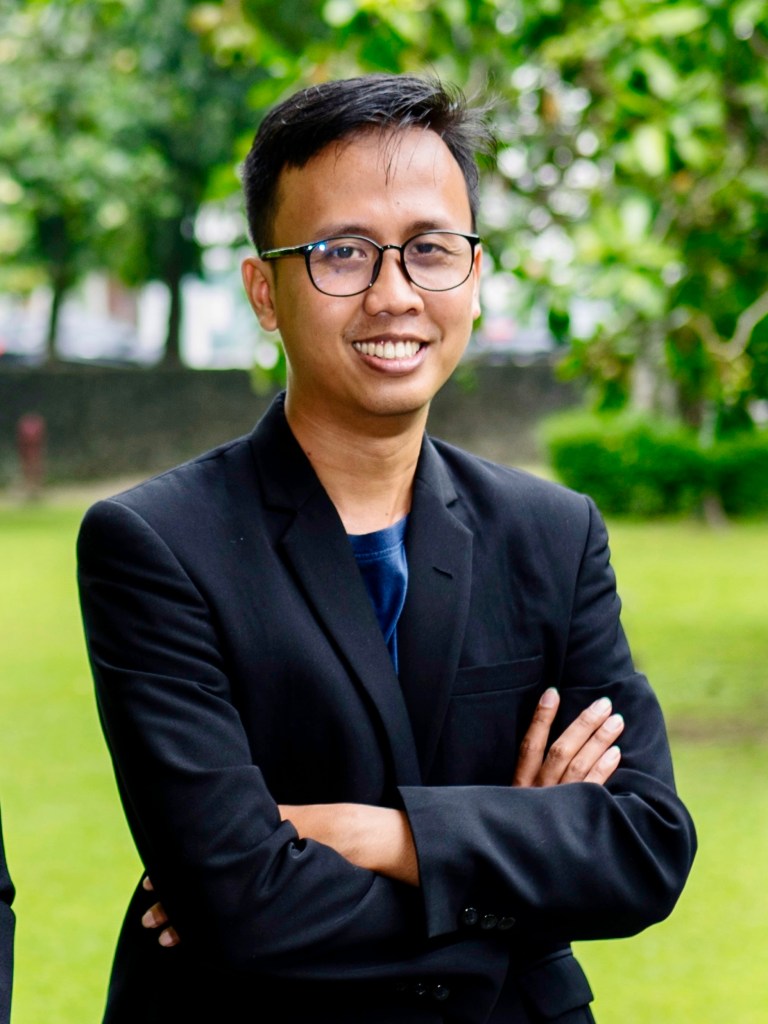
Miqdad Muhammad is a community development and sustainability consultant with a strong focus on transforming grassroots environmental efforts into models of systemic impact. With hands-on experience in strategic planning, implementation, and evaluation, he believes that businesses can thrive sustainably when they integrate social responsibility, environmental stewardship, and effective corporate governance, creating value for both internal and external stakeholders.
Copyright © \2025 \tomorrow-starts-now.org. All rights reserved. No part of this blog may be reproduced, distributed, or transmitted in any form without prior written permission, except for brief quotations used in reviews or scholarly work.

 Tomorrow Starts Now
Leave a comment